Best Heart Disease Prevention Diet:
What Works Same as High Cholesterol Meds?
Changing to a heart disease prevention diet may simpler than you think, because researchers are showing that:
Making one or two simple additions to your diet can significantly change your risk of heart disease!
- When compared head to head, diet is as effective as taking statin drugs, according to researchers.
Low fat diets are being shown to be much less effective than the olive-oil rich Mediterranean diet.
- Simply eating the recommended fruits and vegetables per day will cut your risk of heart disease by 30%.
A heart disease prevention diet may be easier than you think!
Mediterranean Diet Trumps Low Fat Diets
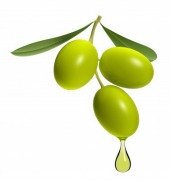
Low fat diets are turning out to be not as good as having a daily dose of extra virgin olive oils along with some mixed nuts.
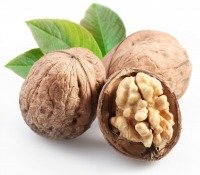
A Spanish study looking at the benefits of a Mediterranean diet discovered that regular consumption of walnuts or virgin olive oil can effectively protect against the development of coronary disease.
Two groups of patients followed a Mediterranean diet, rich in either a daily serving of mixed nuts (15 grams of walnuts, 7.5 grams of hazelnuts and 7.5 grams of almonds) or extra virgin olive oil, the main source of fat in a Mediterranean diet.
A third group stuck to a low fat diet.
- After the 3 months, the people on the Low Fat diet did not do as well as those on the Mediterranean diet.
- Those on the Mediterranean diet did better on 6 counts, in that they had:
1) lower blood pressure
2) decreased blood glucose levels
3) lower cholesterol
4) lower levels of triglycerides
5) lower levels of inflammation markers
6) higher HDL cholesterol, or “good cholesterol”
The researchers concluded that:
“It is easy to foresee that the participants who follow the Mediterranean diet, supplemented with olive oil or with nuts, will show in the long run a 50% reduction in the incidence of cardiovascular complications.”
Ramon Estruch of the Prevencion con Dieta Medterrannea, (Archives of Internal Medicine)
Diet Goes Head to Head With Statin Drugs e.g. Lipitor, Zocor, Crestor
Statin are drugs used to lower cholesterol, and these include: atorvastatin (Lipitor), pravastatin (Pravachol), simvastatin (Zocor), lovastatin (Mevacor), rosuvastatin (Crestor) and fluvastatin (Lescol).
- Statin drugs are the biggest money making drug in the history of the world! They, however, have dangerous side effects.
These drugs are, however, not the only way to lower your
cholesterol. You can make these diet changes to avoid these meds:
- Researchers have confirmed that a diet rich in fiber and vegetables works just as well at controlling and reducing cholesterol levels.
The research team tested what they called a "portfolio" diet on more than 30 overweight men and women, comparing it with a low-fat diet and with a normal diet plus a generic statin drug (lovastatin).
Volunteers followed each diet for one month, with a break in between each treatment cycle. It was discovered that the low-fat diet lowered LDL, or "bad" cholesterol, by 8.5 percent, while statins lowered LDL by 33 percent and the "portfolio" diet lowered LDL by nearly 30 percent.
- A quarter of the volunteers experienced their lowest LDL levels from being on the "portfolio" diet.
This "portfolio" heart disease prevention diet particularly consists of:
• Almonds
• Cereal fiber
• Plant sterols (tree-based compounds used in cholesterol-lowering margarines and salad dressing)
American Journal of Clinical Nutrition February 005;81(2):380-387
How Oats and Beans Can Beat Cholesterol
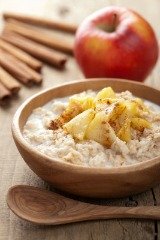
While it has been publicized that a daily intake of large quantities of oat bran significantly lowers blood cholesterol, what has not been promoted is the finding that a more practical amount of beans is of equal benefit.
- It has been found eating only about ½ cup canned beans a day makes a significant difference in cholesterol and tri-glyceride levels.
Another aspect making beans heart-healthy is that legumes, especially lentils and black-eyed peas, are rich in folate.
The B vitamin folate has a protective function for heart disease by reducing blood homocysteine.
- When folate-rich foods are added to the diet, it has been found to lower the risk of heart attacks and strokes by as much as 30 to 40% in American men.
Adding beans and lentils is an easy but a key part of a heart disease prevention diet.
How Roy Avoided Going On Heart Meds

When Roy, who is in his early 60’s, was told by his doctor to go on medication for his high cholesterol, his wife instead, researched the internet and decided to make two changes to his diet: she added oats -- oat meal, oat bran cereal and olive oil.
- His cholesterol came down, although slowly. It took a while, but they are both happy to have taken charge with a simple heart disease prevention diet instead of his having to take a medication for the rest of his life.
Roy discovered that even one cup of oat bran cereal a day can work for cholesterol that is over the 200 level, and that making just this one simple change can reduce cholesterol in the range of 13% to 19%.
Olive oil is a staple of the Mediterranean diet, and switching to it as your staple -- for salads and in cooking -- is a cornerstone to a good heart disease prevention diet.
You may have to make more changes than Roy did, but the following research and books will help you get started on your own heart disease prevention die
Add Bananas & Don’t Forget the Chocolate!

Need an easy diet for high blood pressure?
Bananas are very high in potassium yet low in salt, making it the perfect way to beat high blood pressure.
So much so, the US Food and Drug Administration have just allowed the banana industry to make official claims for the fruit's ability to reduce the risk of blood pressure and stroke.
- According to research in "The New England Journal of Medicine," eating bananas as part of a regular diet can cut the risk of death by strokes by as much as 40%! Eat two bananas a day for an excellent heart disease prevention diet.
And don’t forget the chocolate, because it may be as good as your heart meds.
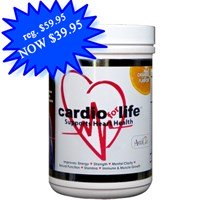
Want Extra Help for High Blood Pressure and High Cholesterol?
Need help while finding the right diet for high blood pressure and high cholesterol?
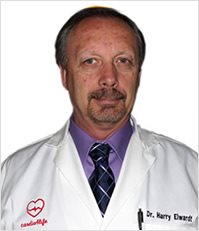
Meet Dr Harry, who has formulated a SAFE natural l arginine supplement you can use to bring down high blood pressure and high cholesterol.
You can safely add his recommended FORMULA to your medications.
By taking his special formula l arginine nitric oxide supplement, people reduce or go off their high cholesterol medication and their high blood pressure meds!
You may ASK US about:
- Recommended safe statin alternatives to high cholesterol medication
Heart Disease Prevention Diet: Easy Diet for High Blood Pressure and Insulin Resistance Diet


Recent Articles


-
Natural Blood Pressure Supplement Backed by Science
Apr 13, 24 04:10 PM
Try a natural blood pressure supplement for lowering blood pressure without life long medications. -
Scientists find a Natural Treatment for Parkinsons Disease
Apr 04, 22 10:18 PM
A new treatment for Parkinsons disease? Parkinson's disease is a neuro-degenerative disorder for which no neuro-restorative therapeutic treatment is currently available. The medications typically used… -
Amazon’s Best Beauty Products?
Mar 25, 22 12:00 AM
Finding which beauty product is best for your health has just become easier. Did you know that in 2022 Amazon created the Amazon AWARE line of beauty products that are EWG VERIFIED? This stamp of appr…